

Former Barcelona striker Samuel Eto’o recounted a challenging conversation that took place in the club’s dressing room during halftime of the 2006 Champions League final against Arsenal. At that point, Barcelona was trailing 1-0, and the pressure was mounting as they faced the threat of losing a major title.
Eto’o noted the tense atmosphere and felt compelled to talk to his teammate Ronaldinho. He emphasized the importance of stepping up and encouraged Ronaldinho to take more responsibility on the pitch and lead by example.
This heart-to-heart seemed to resonate with Ronaldinho, as both players returned to the field with renewed determination. Barcelona ultimately turned the game around, winning 2-1 and securing the trophy. Eto’o’s experience highlights how open communication can drive success in crucial moments, underscoring the camaraderie that defines great teams. Their victory not only marked a significant achievement for the club but also solidified their legacy in European football.
“In 2006, during halftime of the Champions League final at Stade de France, we were losing 1-0, even with Arsenal down to ten men. Do you know why we were behind? Because Ronaldinho, our best player, was trying to do everything on his own. I walked into the dressing room, and everyone looked dejected. Frank Rijkaard was standing on the sidelines, clearly confused. I said to the team, ‘What are you doing? Get yourselves together! I’m going to score, and I’m still here—what are you afraid of?’
“I turned to Ronnie and said, ‘Either you play with us or you sit on the bench.’ That’s when a great player steps up. He gathered us all and apologized,” Eto’o shared, as quoted by Mundo Deportivo.
After the break, the Cameroonian forward equalized the score, and Brazilian defender Juliano Belletti ultimately secured victory for the Catalan team. This dramatic turnaround not only clinched the Champions League title for Barcelona but also solidified their legacy as one of the greatest teams in football history. The final against Arsenal was a defining moment, highlighting Barcelona’s resilience and determination. The pressure was immense, especially since they were trailing despite having the numerical advantage. Eto’o’s leadership in the dressing room was crucial in reigniting the team’s spirit.
Eto’o’s comments illustrate the dynamics within the team, showcasing how vital communication is during critical moments. It was not just about skill on the pitch but fostering a collective effort to overcome adversity. Ronaldinho’s initial reluctance to involve his teammates reflects the challenges star players often face—balancing individual brilliance with teamwork. However, his willingness to apologize and adjust demonstrated true sportsmanship. Eto’o’s equalizer was a turning point, showcasing his instincts and ability to capitalize on opportunities. Following his goal, the team pressed forward, driven by the belief they could win. Belletti’s late goal sealed the victory, allowing Barcelona to lift the Champions League trophy for the second time in their history.
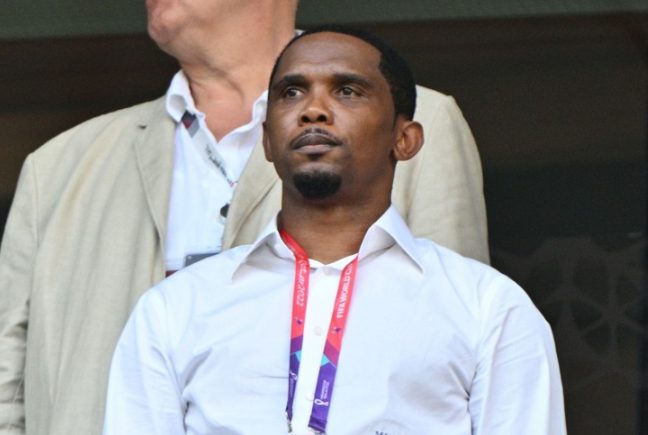
This victory marked the culmination of a season filled with challenges and triumphs, reinforcing Barcelona’s status as a dominant force in European football. With star players like Eto’o and Ronaldinho, the team showcased a brand of football emphasizing creativity, flair, and teamwork. Eto’o’s leadership qualities and his ability to galvanize the team were vital for Barcelona. His passionate approach inspired teammates, encouraging them to rise to the occasion. This experience reinforced his status as a key player for the club and shaped his future endeavors in football.
Reflecting on that iconic final, Eto’o acknowledges the role of teamwork and the importance of every player contributing to the collective effort. His journey through that match serves as a reminder of the values that define successful teams—unity, communication, and the willingness to adapt for the greater good. As the football world looks back on the 2006 Champions League final, it remains a memorable moment for fans of Barcelona and football enthusiasts alike. The match encapsulated the drama, excitement, and unpredictability of the sport, showcasing how a single moment or conversation can alter the course of history. Eto’o’s recollections continue to inspire young players and serve as a testament to the enduring legacy of that remarkable Barcelona team.
In conclusion, the 2006 Champions League final against Arsenal was not just a victory for Barcelona but a defining moment for the players involved. Eto’o’s leadership during halftime, Ronaldinho’s willingness to adapt, and the team’s collective effort to turn the game around underscore the essence of football—unity and resilience in the face of adversity. This match remains a shining example of how determination and teamwork can lead to extraordinary success.


